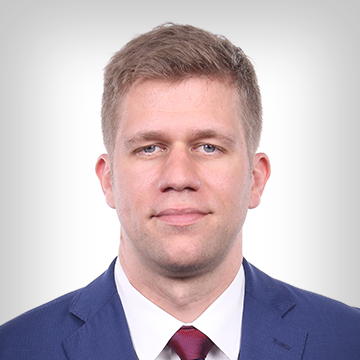
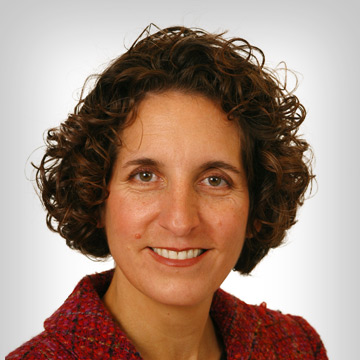
Carle Foundation Hospital offers an integrated approach to teaching the physicians of tomorrow. Residents benefit from innovative healthcare delivery through a multidisciplinary team of specialists. Training at Carle Foundation Hospital gives participants a high level of personalized attention and clinical experience.
Welcome to Carle Foundation Hospital and the growing frontier of Neurology. Our residency categorical training program includes 4 years of training, starting in PGY 1 year with our excellent Internal Medicine Residency program. Carle Foundation Hospital is a nationally recognized, community-based, academic-affiliated institution, consistently ranked among the best hospitals in the United States (50 Best Hospitals Award). The hospital is the primary educational site for the Carle Illinois College of Medicine, a leading institution in innovative medical education. We are home to a Comprehensive Stroke Center, a Level 3 Epilepsy Center, and a Level I Trauma Center with a broad faculty base including neuroradiologists, pediatric neurologists, neuropsychologists, and neurointerventionalists.
The north star of Carle Foundation Hospital always puts the patients first. We join as a team to the commitment of partnering with our patients to reach their healthcare goals and consistently seeking better levels of excellence. Our residency aims to create first-rate well-rounded clinical neurologists who are compassionate lifelong learners dedicated to patient centered care. This process is guided by a wide variety of both inpatient and outpatient experiences working one on one with attendings who care about your development. Growth is encouraged in the realm of evidence-based medicine and self-directed learning, setting residents up for growth in understanding and utilization of new diagnostic testing and treatments. By graduation, our residents will see a broad range of both inpatient and outpatient diseases, with a solid mix of neurologic subspecialties such as epilepsy, neuroimmunology, movement disorders, headaches, and dementia. Residents will learn detailed narrative history taking, precise neurological exam, and the critical thinking skills needed to formulate a patient care plan with shared decision making. Through the course of their 3 years in neurology they will continue their learning in a leadership capacity, taking on tasks and roles that prepare them to lead healthcare teams when they graduate.
We also give residents multiple opportunities to join the world class scientific community at Carle, encouraging research projects and expanding the worldwide knowledge base in neurology. The Stephens Family Clinical Research Institute provides a full range of staff supported services to investigators who are seeking to advance healthcare. Our residency requires 2 weeks of training in quality improvement practices leading to a quality improvement project to better integrate residents into the culture of excellence.
We are looking for self starters, team players, and people hungry for knowledge. We appreciate your interest in our program. We look forward to your application and we are invested in your future!
Allison Hennigan, MD
Neurology Residency Program Director
________________________________________
PGY-1
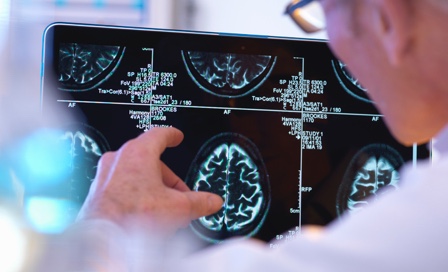
The first year of training in internal medicine is guaranteed at our institution as part of the categorical residency program. In PGY-1, the neurology resident is incorporated in the IM Residency Program. Residents rotate on inpatient and outpatient internal medicine, cardiology, ICU, ER, psychiatry, palliative care, and have six to eight weeks of elective time. Residents are encouraged to attend neurology didactics when possible but a strong foundation in internal medicine skills are strongly encouraged. Our neurology leadership monitors and mentors PGY-1 residents’ throughout this introductory process.
PGY-2
During the PGY-2 year, about two thirds of training time is spent on in the inpatient setting, caring for patients at all levels of acuity. Residents will see a wide variety of cases and examine hundreds of patients. PGY-2 residents are paired with a senior resident but with experience are encouraged to develop leadership skills with the inpatient team. This is the foundational year of training in neurology, when residents develop confidence in their neurological history taking, examination, and clinical neuroradiology skills. They will learn leadership in code strokes, ER management of acute cases, triaging calls at night, and daily rounding in a group of advanced practice providers, rotating residents, and medical students. PGY-2 residents also rotate with the neuro ICU, pediatric neurology, epilepsy, sleep medicine, neurosurgery, neuro IR, and have one month of elective. In the second half of the year they will start participating in the night float system to give them experience in more autonomy in immediate patient care.
The weekly half day of continuity clinic starts early in PGY-2 and continues throughout the three years of neurology training. The continuity clinic is supervised by our dedicated teaching faculty who carefully listen and discuss cases with residents in depth. Continuity clinic is an excellent educational opportunity for residents to develop graduated independence in the outpatient setting. Residents provide care for a variety of patients from all subspecialties including complex and challenging cases.
PGY-3
PGY-3 residents build onto the knowledge base and leadership skills from in the previous year. They maintain their supervisory role of leading the inpatient service over a period of three months. They spend two months in outpatient neurology in a variety of general neurology and subspecialty clinics (memory disorders, epilepsy, movement disorders, stroke, headaches, demyelinating disorders, muscular dystrophy, neuro-ophthalmology, and sleep). They also have EEG and EMG rotations during which they develop expertise in the technical aspects of these procedures. On the epilepsy/EEG rotation, they help run the Epilepsy Monitoring Unit (EMU) and see complex inpatient epilepsy consults. PGY-3 residents also spend one month on neuroradiology, on pediatric neurology, and have three months of elective time. During the PGY-3 year, residents solidify knowledge and skills from the previous year of neurology training and decide the direction of their career trajectory.
PGY-4
PGY-4 residents continue to lead the inpatient service with more autonomy and serve as mentors for the residents who are making the transition from internal medicine. This further develops their leadership, teaching, and administrative skills. The proper training and education of junior residents and medical students is a central focus of the role of the PGY-4 resident. They collaborate with the attending neurologist in running the neurology service, fielding most calls and triaging patients. PGY-4 residents rotate on pediatric neurology, sleep medicine, neuro-genetics, addiction medicine, ED, neuroradiology, and neurotology. They also have two months of electives. PGY-4 residents are encouraged to use their final year to gain additional experience in specialties they would like to focus on.
Our residents have a dedicated weekly half day of didactic lectures, protected from clinical duties and disruptive calls. Didactics include traditional-format lectures given by our teaching faculty, neuroanatomy, neurophysiology, and neuroradiology lecture series, case presentations and topic reviews by residents, journal club, board review questions, clinical reasoning and localization sessions, and an evidence-based medicine series. In addition, we conduct a Challenging Case Conference for the whole department twice a month, grand rounds monthly, morbidity and mortality conference monthly. The residents run a medical student teaching session, introducing students to the basics of localization, neuroanatomy, and thinking through cases.
Our residents regularly present case and topic reviews, journal club, morbidity and mortality conferences, and teach medical students in the clinical setting and through lectures. They receive proper training to read and critically appraise medical literature and scientific publications. They are encouraged to participate in research, including quality improvement, clinical research and basic science.
Allison Hennigan, MD
Administration
Program Director
Headache disorders, Dementia, and General Neurology
Sari Aronson, MD
Core Faculty
Psychiatry
Robert Yapundich, MD
Faculty
Mamadou Diallo, MD
Resident
PGY-2
Clinical neurophysiology and education
Dhyey Sidhpura, MBBS
Resident
PGY-1
Hafiz Sohail Ashraf, MBBS
Resident
PGY-1
We appreciate your interest in the Carle Foundation Hospital Neurology Residency Program. Our program participates in the National Residency Matching Program (NRMP) and only accepts applications through the Electronic Residency Application Service (ERAS)
Application SubmissionInterviews
Please note that this information may be subject to change.
If you have any questions regarding our program or the application process, please contact us at GMENeuroresidency@carle.com or call (217) 383-4846.